
Pest Control and Plant Health: Practical Tips to Keep Garden Plants Healthy and Pest-Free
If you grow plants long enough, something will eventually try to eat them, infect them, wilt them, or turn their leaves into a strange spotted mess overnight. I learned that the hard way with a row of tomatoes that looked perfect on a Friday and by Monday had chewed leaves, yellowing stems, and enough aphids to make me question my life choices.
Pest control and plant health go hand in hand. Healthy plants usually handle stress better, but even strong plants can fall victim when conditions are right for insects, fungus, or disease. The good news is that most garden problems can be managed without panic, and without dumping harsh chemicals everywhere.
Over the years, I’ve dealt with aphids on roses, spider mites on indoor herbs, fungus gnats in seed trays, powdery mildew on zucchini, and cabbage worms that treated my kale like an all-you-can-eat buffet. Some fixes worked beautifully. Some were complete flops. The biggest lesson? Good pest control starts long before you see damage.
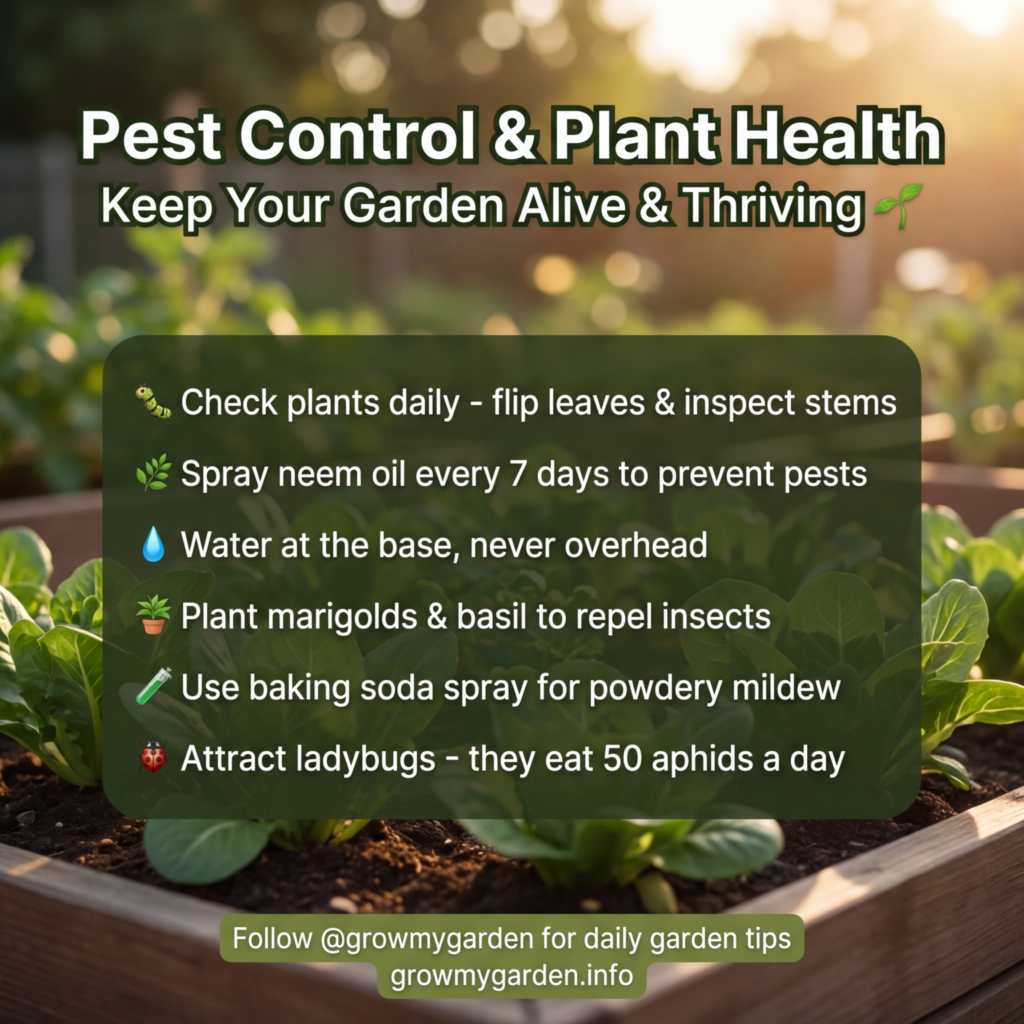
This guide breaks the topic down in a practical, beginner-friendly way, using methods that actually make sense for home gardeners.
Why this topic matters
A lot of gardeners focus on planting day and forget that plant care is really a long game. You can buy the best compost, install raised beds, and pick the sunniest spot in the yard, but if pests or disease take hold, all that effort can unravel like a cheap sweater.
Pest control matters because damage adds up fast. A few aphids might seem harmless, but in warm weather they multiply faster than gossip in a small town. Spider mites can weaken plants quietly before you even notice the webbing. Slugs can reduce young seedlings to little green stumps in a single damp night.
Plant health matters just as much because weak plants are easy targets. When a plant is stressed by poor watering, crowded roots, bad airflow, or nutrient imbalance, pests often move in like opportunists. It’s a bit like leaving your front door open and acting surprised when trouble walks in.
There’s also a bigger reason to care: prevention saves money, time, and disappointment. Replacing dead plants every season gets expensive. Spraying products without knowing the real problem wastes money and can hurt beneficial insects too.
Strong pest control and plant health habits help you:
- Keep vegetables productive
- Grow flowers that actually bloom well
- Reduce the need for emergency treatments
- Protect pollinators and helpful insects
- Avoid losing weeks or months of growth
If you’ve ever hovered over a sad basil plant with a bottle of spray in one hand and confusion in the other, this topic matters.
Beginner basics
When people first get into gardening, they often ask, “What should I spray?” My honest answer is usually, “Nothing yet.” First, figure out what’s happening.
1. Start with observation, not action
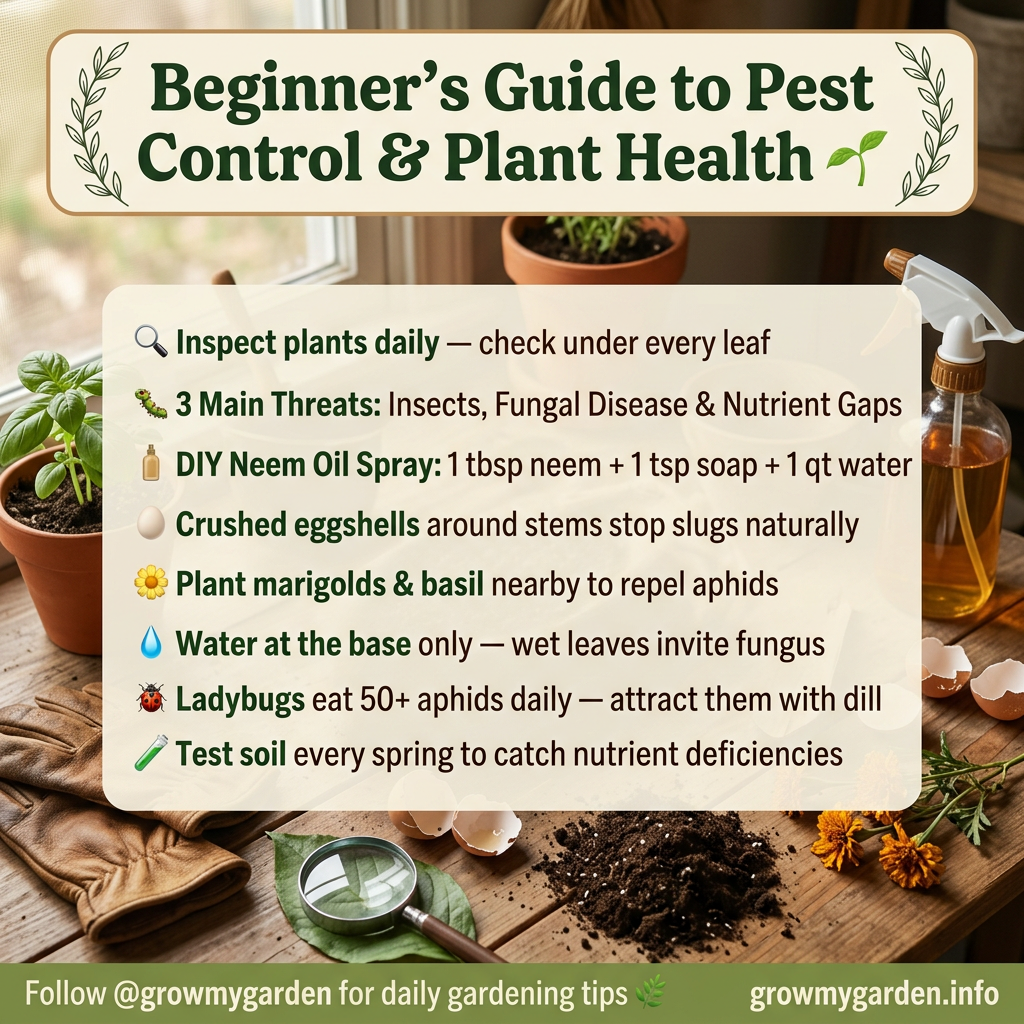
Before treating anything, inspect the plant closely.
Look at:
- The tops and undersides of leaves
- Stems and leaf joints
- Soil surface
- New growth
- Old growth
- Signs of insects, eggs, sticky residue, holes, spots, or webbing
A simple magnifying glass helps a lot. I keep one in my garden tote, along with pruning snips, gloves, and a small notebook. If you like digital tools, apps like PictureThis or PlantNet can help identify plants and possible issues, though I still double-check with trusted gardening resources because apps can be wrong.
2. Learn the difference between pest damage and plant stress
Not every yellow leaf means bugs. Not every curled leaf means disease.
Some common causes of plant stress:
- Overwatering
- Underwatering
- Too much fertilizer
- Not enough sunlight
- Root-bound containers
- Heat stress
- Poor drainage
I once treated a pepper plant for “pest damage” for a full week before realizing the real issue was soggy soil in a decorative pot with terrible drainage. The bugs were not the villain. I was.
3. Build plant health first
Healthy plants are not invincible, but they’re much more resilient.
Basic plant health habits include:
- Watering deeply instead of shallow daily sprinkles
- Giving plants proper spacing for airflow
- Using mulch to regulate moisture
- Feeding plants appropriately, not excessively
- Removing dead or diseased leaves
- Cleaning tools between plants
- Rotating crops in vegetable beds
A well-watered tomato with good airflow and rich soil can recover from mild pest pressure. A stressed tomato packed into a humid corner often spirals fast.
4. Know the usual suspects
Here are some common garden pests beginners run into:
Aphids
Tiny soft-bodied insects, often green, black, yellow, or brown. They gather on new growth and leave sticky honeydew.
What worked for me: A strong blast of water early in the morning, followed by spot treatment with insecticidal soap. Ladybugs also help, but only if your garden already supports beneficial insects.
Spider mites
Hard to see at first. Look for tiny speckling on leaves and fine webbing.
What worked for me: Isolating affected houseplants, rinsing leaves thoroughly, and increasing humidity around plants that prefer it. For severe cases, neem-based products helped, but consistency mattered more than one dramatic treatment.
Whiteflies
Small white insects that flutter up when disturbed. Common on tomatoes, herbs, and indoor plants.
What worked for me: Yellow sticky traps plus regular leaf washing. Sticky traps alone won’t solve a major infestation, but they show you how bad things are.
Fungus gnats
Small black flies hovering over potting soil. Mostly annoying, but their larvae can damage roots in seedlings.
What worked for me: Letting the top layer of soil dry more, using sticky traps, and switching to bottom watering for some trays.
Slugs and snails
Chewed leaves, slime trails, and nighttime destruction.
What worked for me: Hand-picking at dusk with a flashlight. Not glamorous, but very effective. I’ve also used copper barriers around containers.
Caterpillars and cabbage worms
Big appetite, fast damage.
What worked for me: Checking leaves daily and removing them by hand. Fine mesh row covers helped prevent egg laying in the first place.
5. Understand common plant diseases
Some problems are not insect-related at all.
Powdery mildew
White dusty coating on leaves, often in humid or crowded conditions.
What helped in my garden: Pruning for airflow, watering at soil level, and removing badly affected leaves early.
Blight
Dark lesions and rapid decline, especially in tomatoes.
What helped: Sanitation, not overhead watering, and crop rotation. Once blight takes hold badly, the best move is often removal.
Root rot
Usually caused by poor drainage or chronic overwatering.
What helped: Better soil mix, better drainage holes, and watering less often but more intentionally.
6. Use integrated pest management
That sounds technical, but the idea is simple: don’t jump straight to the strongest treatment. Use a layered approach.
A beginner-friendly order looks like this:
- Identify the problem
- Remove damaged material
- Improve growing conditions
- Use physical controls like hand-picking, barriers, or traps
- Try low-risk treatments like insecticidal soap or horticultural oil
- Only escalate if needed and always follow label directions
This approach is better for your plants, your wallet, and the helpful insects doing unpaid labor in your garden.
Featured guides under that topic
Here are the pest control and plant health guides I’d recommend building your gardening routine around.
1. How to inspect plants weekly without missing early warning signs
A five-minute weekly check can save entire crops.
Step by step:
- Pick one day each week for inspection.
- Bring gloves, pruners, a magnifying glass, and your phone for photos.
- Check leaf undersides first.
- Look at the newest growth because pests love tender tissue.
- Scan the soil for mold, larvae, or fungus gnat movement.
- Photograph anything suspicious so you can compare changes over time.
- Remove obviously dead or diseased leaves.
- Clean your tools after use.
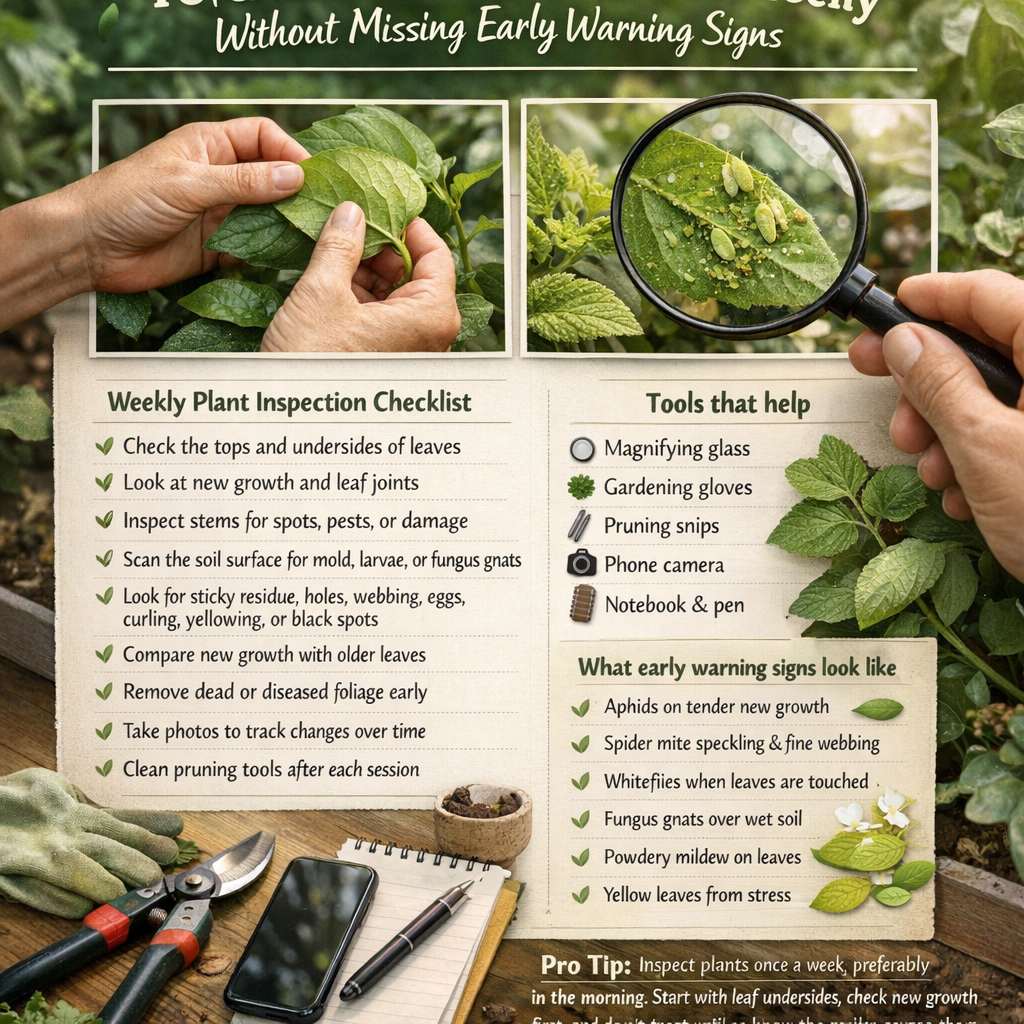
I do this every Sunday morning with coffee in hand. It sounds small, but this habit helped me catch early aphids on broad beans before they spread.
2. Best natural pest control methods for home gardens
Natural doesn’t mean effortless, but it can work extremely well when used properly.
Methods I’ve used successfully:
- Strong water spray for aphids and mites
- Insecticidal soap for soft-bodied insects
- Neem oil for some pests and mild fungal issues
- Sticky traps for monitoring flying insects
- Row covers for brassicas and tender seedlings
- Diatomaceous earth in dry conditions for crawling pests
- Hand-picking for larger insects and slugs
The mistake I made early on was using every method at once like I was throwing spaghetti at the wall. That often stresses plants more than the pests do. Use the right tool for the right problem.
3. Watering habits that improve plant health
Watering is one of the biggest hidden causes of weak plants.
A better way to water:
- Check the soil before watering.
- Water the root zone, not the leaves.
- Water deeply so roots grow downward.
- Water in the morning when possible.
- Adjust for weather, container size, and plant type.
My container herbs improved dramatically when I stopped watering on autopilot. Basil liked regular moisture, but rosemary wanted to dry more between waterings. Treating every plant the same was a rookie move.
4. Soil health as pest prevention
Rich, living soil supports stronger roots and healthier top growth.
Helpful practices:
- Add compost regularly
- Avoid compacting soil
- Mulch exposed ground
- Don’t over-fertilize with high nitrogen
- Rotate crops in vegetable beds
Overfed plants can become soft and sappy, which pests love. I learned this with lettuce after a heavy nitrogen feed that turned the leaves lush and beautiful, then invited aphids like I had sent engraved invitations.
5. When to remove a plant instead of trying to save it
This is the hard truth part of gardening. Sometimes a plant is too far gone.
Remove a plant when:
- Disease is spreading rapidly
- Most of the plant is affected
- It threatens nearby healthy plants
- Roots are rotting beyond recovery
- Repeated treatment has failed
I had to pull an infected squash plant one summer even though it still had flowers on it. It felt brutal, but it likely saved the rest of the bed.
6. Indoor plant pest control without turning your home into a chemistry lab
Houseplants get pests too, especially in dry indoor air.
My indoor routine:
- Isolate the affected plant immediately.
- Check nearby plants too.
- Rinse leaves in the sink or shower.
- Wipe leaves with a soft cloth.
- Use insecticidal soap as directed.
- Repeat treatment based on the product label.
- Avoid putting the plant back until you see improvement.
For indoor gardeners, a moisture meter can help prevent overwatering, which is often the first domino to fall.
FAQ
What is the safest way to control garden pests?
The safest approach is to start with non-chemical methods like hand removal, pruning, barriers, proper spacing, and strong water spray. If treatment is needed, use low-toxicity products such as insecticidal soap or horticultural oils, and always follow the label. This is very useful in pest control and plant health.
Why do healthy plants still get pests?
Even healthy plants can be attacked, especially during hot weather, dry spells, or local pest outbreaks. Good plant health reduces risk and improves recovery, but it doesn’t create a magic shield.
Should I spray plants as a prevention method?
Usually no. Routine spraying without a clear reason can harm beneficial insects and waste money. Prevention is better handled through healthy soil, good airflow, proper watering, and regular plant checks.
How often should I inspect my plants?
At least once a week. In peak growing season, I prefer a quick walk-through every few days, especially for vegetables, seedlings, and houseplants with a history of pest issues.
Is neem oil safe for all plants?
No. Some plants are sensitive to oils, especially in strong sun or hot weather. Always test a small section first and follow product directions. I avoid spraying in the heat of the day because leaves can burn.
What are signs of overwatering versus underwatering?
Overwatered plants often have yellowing leaves, soft stems, and soggy soil. Underwatered plants may droop, develop dry crispy edges, and pull away from the pot edges. The tricky part is that both can look similar at first, so check the soil before guessing.
Can I use dish soap for pest control?
I don’t recommend casual homemade mixes unless you know the formula is plant-safe. Some dish soaps can damage leaf surfaces. A proper insecticidal soap is a better option because it’s made for plants.
How do I get rid of fungus gnats in houseplants?
Let the top inch of soil dry out more between waterings, use yellow sticky traps, and consider replacing dense, soggy soil. Bottom watering can also help in some setups. I had the best results when I combined all three.
What should I do if only one plant is infected?
Isolate it if possible, inspect nearby plants, remove damaged growth, and monitor closely. Catching a problem early on one plant is much easier than treating ten later.
Are beneficial insects worth encouraging?
Absolutely. Ladybugs, lacewings, hoverflies, and parasitic wasps can help control pests naturally. Planting flowers like dill, alyssum, fennel, and calendula can make your garden more welcoming to these helpers.
Final call to action
Pest control and plant health are not about chasing perfection. Every gardener loses a few battles. Leaves get chewed. Mildew shows up. A plant that looked fine yesterday suddenly throws a fit. That’s normal.
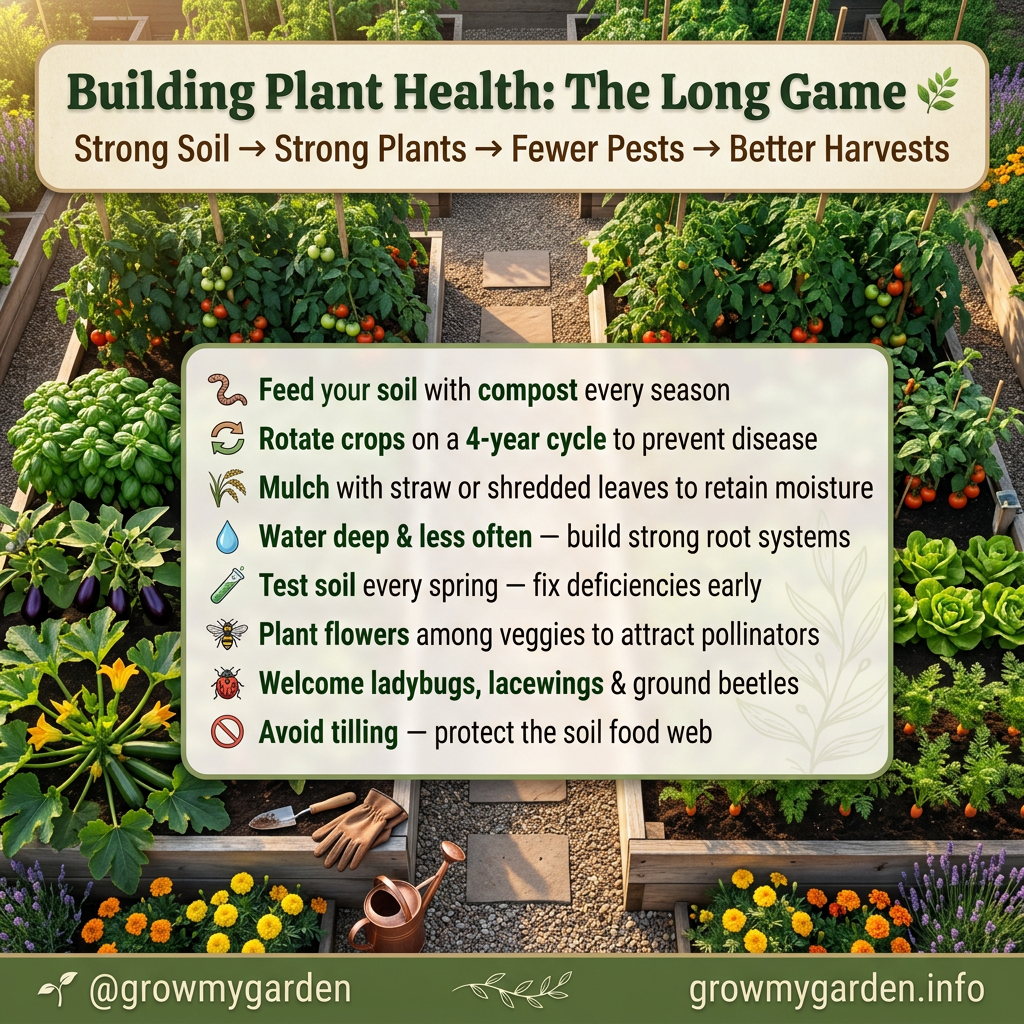
What makes the biggest difference is paying attention early, building healthy growing conditions, and treating problems with a calm head instead of a panic spray. If you start with observation, improve the basics, and use targeted solutions, you’ll prevent a lot of trouble before it turns into a full-blown garden soap opera.
If you’re working on your own garden right now, begin with one simple step today: inspect three plants closely. Look under the leaves, check the soil, and notice what’s really going on. That small habit is the doorway to better plant health and fewer pest headaches. Use our gardening tools to make your garden with ease.
And if you’re planning your next gardening project, keep exploring related guides on watering, soil care, pruning, and disease identification. Healthy plants don’t happen by accident. They’re built one smart choice at a time.