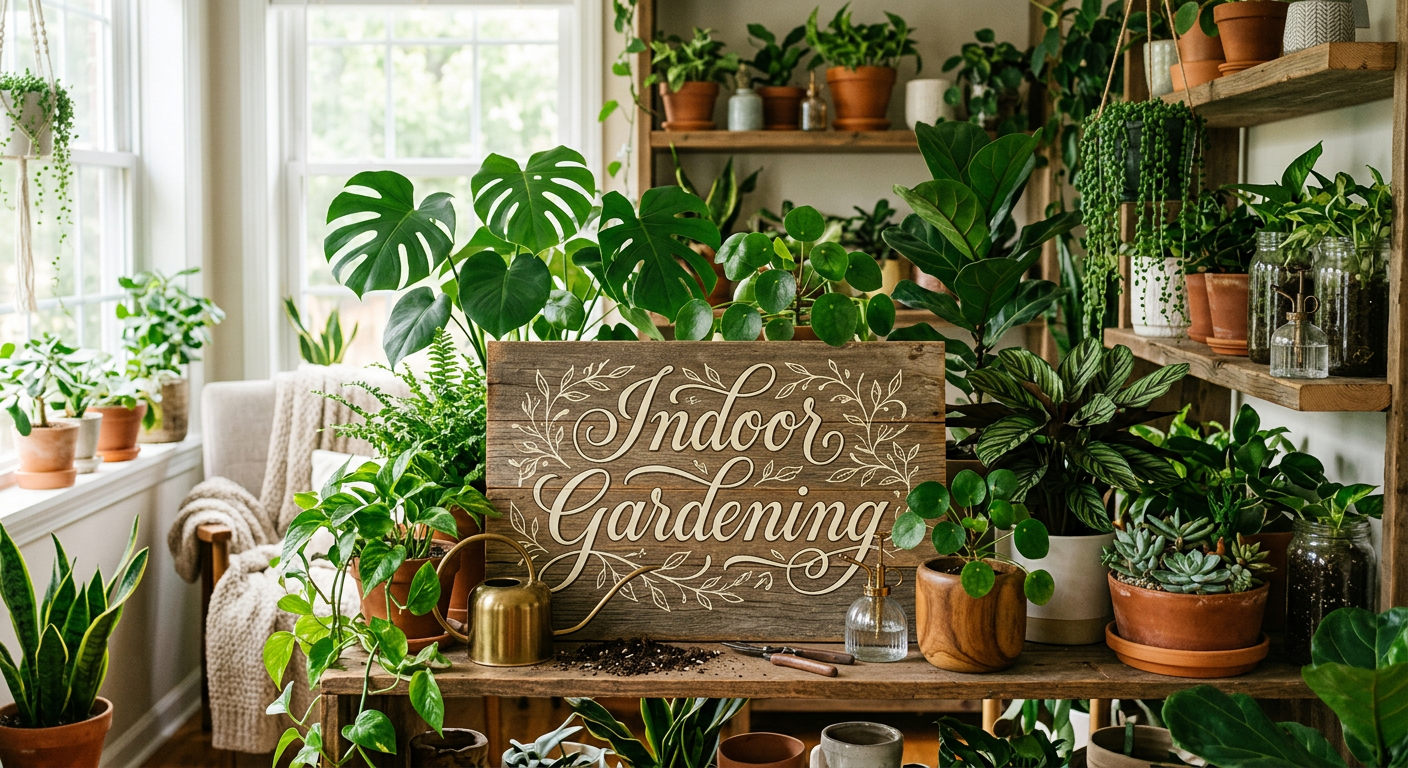
Indoor Gardening: How to Grow a Thriving Garden Without Ever Stepping Outside
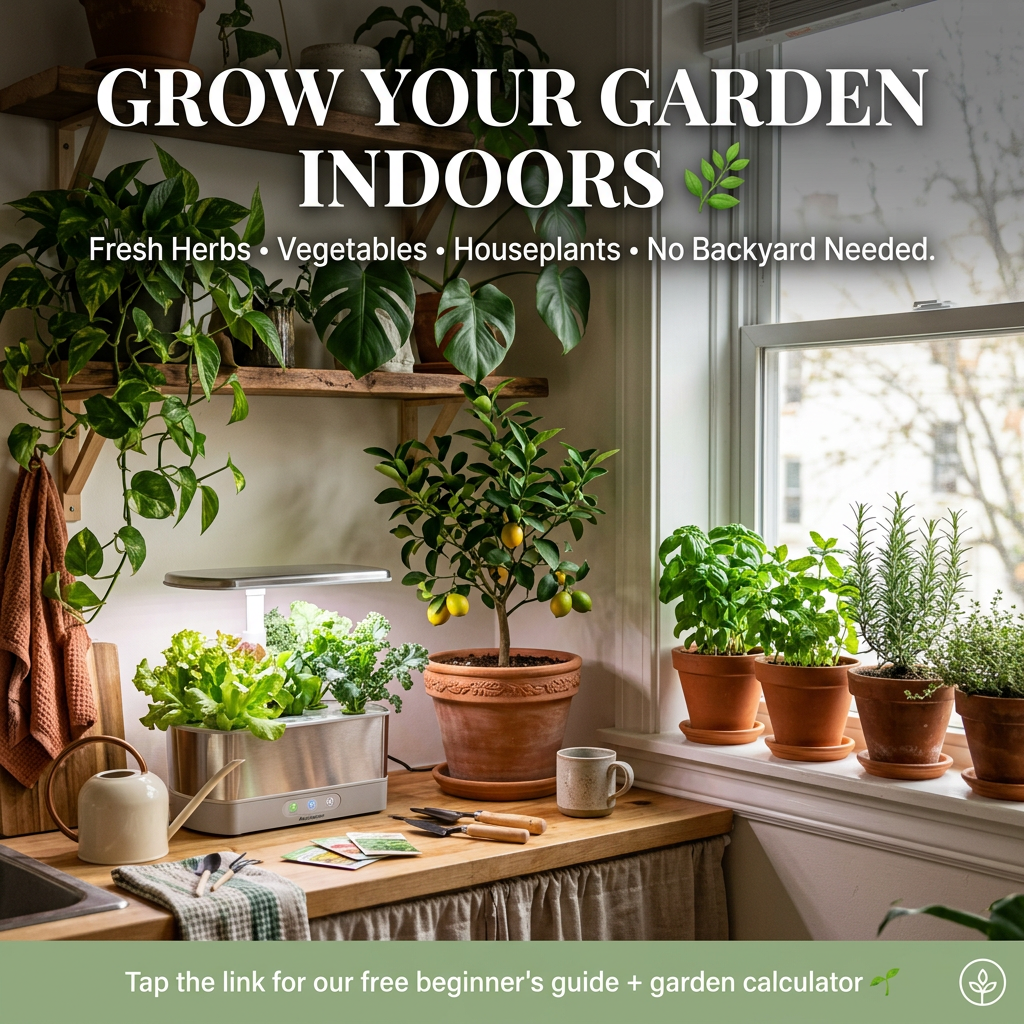
Indoor gardening is one of the easiest ways to bring fresh life, color, and calm into your home. Whether you live in a small apartment or a large house, growing plants indoors can turn any corner into a green and relaxing space. I started with a simple basil pot on my kitchen windowsill, and before long, I was growing herbs, leafy greens, and easy-care houseplants all year. The best part is that you do not need a backyard to begin. With the right grow lights, healthy potting mix, proper drainage holes, a few houseplants, and simple plant care, anyone can build a thriving indoor garden at home with confidence.
I killed my first houseplant in exactly nine days. It was a basil plant from the grocery store, and I was convinced I had a black thumb. Fast forward five years, and my apartment looks like a small jungle — herbs on the kitchen windowsill, pothos trailing from bookshelves, and a dwarf lemon tree sitting proudly next to my couch. The transformation didn’t happen overnight, and it definitely didn’t happen without some spectacular failures along the way.
If you’ve ever wanted to grow something green indoors but felt overwhelmed or unsure where to start, you’re in the right place. This guide is everything I wish someone had handed me before I drowned that poor basil plant.
Why Indoor Gardening Actually Matters
Here’s the thing — indoor gardening isn’t just a trendy Instagram aesthetic. There are real, tangible reasons why growing plants inside your home makes a difference.
Air quality improves. NASA did a clean air study back in the late ’80s that showed certain houseplants can filter toxins like formaldehyde and benzene from indoor air. Now, you’d need a ridiculous number of plants to fully purify a room, but even a handful of spider plants or peace lilies contributes to a fresher atmosphere.
Mental health gets a boost. I’m not exaggerating when I say that caring for my plants became a small form of therapy. There’s something grounding about watering a fern on a Sunday morning or watching a new leaf unfurl on a monstera. Studies from the Journal of Physiological Anthropology back this up — interacting with indoor plants reduces psychological stress.
You can grow your own food. Lettuce, herbs, microgreens, cherry tomatoes, peppers — all of these can thrive indoors with the right setup. I’ve been growing my own basil and mint for two years now, and the flavor difference compared to store-bought is night and day.
Space is no excuse. You don’t need a backyard, a balcony, or even a sunny window. With grow lights and vertical setups, people are growing full herb gardens in studio apartments. I’ve seen impressive setups in dorm rooms, office cubicles, and even closets converted into grow spaces.
Bottom line: if you eat food, breathe air, or occasionally feel stressed, indoor gardening has something to offer you.
Beginner Basics: What You Actually Need to Know Before You Start
Let me save you the headaches I went through. Before you buy a single plant or seed packet, understand these fundamentals.
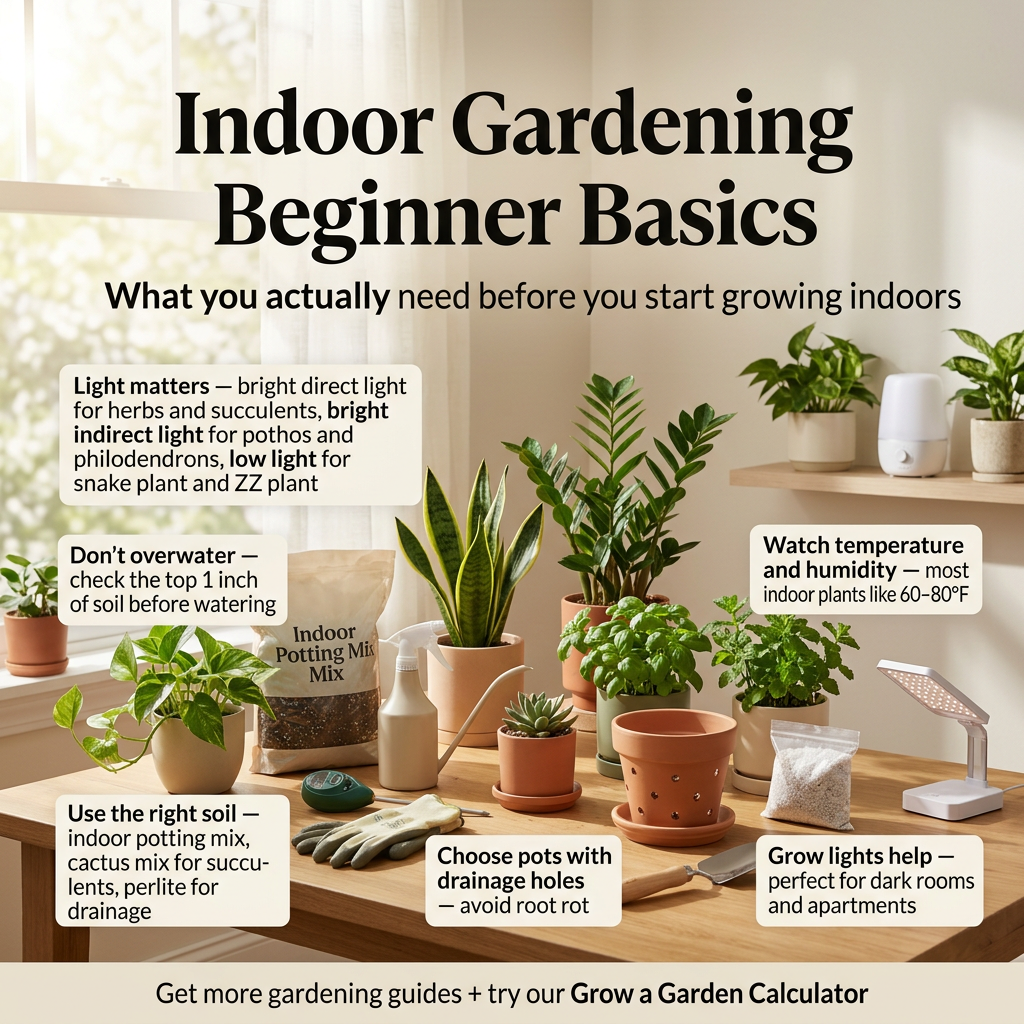
1. Light Is Everything
Plants need light like we need coffee on a Monday morning — it’s non-negotiable. But not all indoor spaces get enough natural sunlight. Here’s a quick breakdown:
- Bright, direct light: South-facing windows (in the Northern Hemisphere). Good for succulents, cacti, herbs, and tomatoes.
- Bright, indirect light: East or west-facing windows. Perfect for tropical plants like monstera, pothos, and philodendrons.
- Low light: North-facing windows or rooms with minimal natural light. Snake plants, ZZ plants, and cast iron plants handle this well.
If your space is genuinely dark, invest in a grow light. I use the Barrina T5 LED grow lights — they’re affordable, energy-efficient, and I’ve had lettuce growing under them in a corner of my kitchen that gets zero sunlight. The GE Grow Light LED bulb is another budget-friendly option that screws into any regular lamp socket.
2. Watering: The Number One Killer of Indoor Plants
Overwatering kills more houseplants than neglect ever will. I learned this the hard way — twice. The trick isn’t to water on a schedule. It’s to water based on what the plant actually needs.
Step-by-step watering method:
- Stick your finger about an inch into the soil.
- If it feels dry, water thoroughly until it drains from the bottom.
- If it still feels damp, leave it alone and check again in a day or two.
- Never let plants sit in standing water. Empty the saucer after watering.
Different plants have different thirst levels. Succulents want to dry out completely between waterings. Ferns prefer consistently moist soil. Get to know your specific plants, and you’ll avoid the soggy-root death trap.
3. Choosing the Right Soil
Not all dirt is created equal. Garden soil from outside is too heavy for containers — it compacts, holds too much moisture, and can introduce pests. Use a quality indoor potting mix instead.
For most houseplants, a standard mix like FoxFarm Ocean Forest or Miracle-Gro Indoor Potting Mix works great. For succulents and cacti, mix in perlite or buy a specialized cactus mix. For herbs and edibles, I prefer an organic blend to avoid synthetic chemicals ending up in my food.
4. Containers Matter More Than You Think
Always — and I mean always — use pots with drainage holes. I once planted a beautiful peace lily in a decorative ceramic pot without drainage because it looked great on my shelf. Within three weeks, root rot set in, and I lost the plant.
If you fall in love with a pot that doesn’t have holes, use it as a decorative cover. Plant in a cheap nursery pot with drainage, then slip that inside the pretty one. Problem solved.
5. Temperature and Humidity
Most common houseplants are tropical species, which means they prefer temperatures between 60–80°F (15–27°C). Keep them away from cold drafts, heating vents, and air conditioning units.
Humidity is the sneaky factor most beginners overlook. If your home feels dry — especially during winter — your tropical plants will struggle. A small humidifier near your plant corner works wonders. I use the Levoit Classic 300S and my calatheas have never looked happier. Alternatively, group plants together — they create their own little microclimate through transpiration.
Featured Guides: Diving Deeper Into Indoor Gardening
Growing Herbs Indoors Year-Round
This was my gateway into indoor gardening, and honestly, it’s still one of the most rewarding things I do. Fresh basil torn over homemade pasta? Chef’s kiss.
Best herbs for indoor growing:
- Basil (needs lots of light — a south window or grow light is essential)
- Mint (practically indestructible, but keep it in its own pot — it spreads like wildfire)
- Chives (tolerant of lower light and very forgiving)
- Parsley (slow to start but steady once established)
- Thyme (prefers drier conditions, perfect if you tend to forget watering)
Step-by-step setup:
- Choose a container at least 6 inches deep with drainage.
- Fill with organic potting mix.
- Plant seeds about ¼ inch deep, or transplant starter plants from a nursery.
- Place in your sunniest window or under a grow light for 12–16 hours daily.
- Water when the top inch of soil dries out.
- Start harvesting once plants are 6 inches tall — pinch from the top to encourage bushier growth.
One mistake I made early on: harvesting too aggressively before the plant was established. Give your herbs a few weeks to build a strong root system before you start snipping.
Setting Up a Low-Light Indoor Garden
Not everyone has giant sun-drenched windows. My first apartment had north-facing windows exclusively, and I thought indoor gardening was off the table. I was wrong.
Top plants for low light:
- Pothos: Basically the cockroach of the plant world (in the best way). It survives almost anything.
- Snake Plant: Tolerates low light, irregular watering, and general neglect. Perfect for beginners.
- ZZ Plant: Gorgeous, glossy leaves and incredibly drought-tolerant.
- Chinese Evergreen: Comes in beautiful varieties and handles dim corners like a champ.
- Cast Iron Plant: The name says it all — this thing is tough as nails.
For these plants, the key is to dial back watering. Less light means slower growth, which means less water consumption. Overwatering in low-light conditions is a recipe for disaster.
Indoor Vegetable Gardening: Yes, It’s Possible
Growing actual vegetables indoors takes more effort than houseplants, but it’s completely doable. I’ve grown cherry tomatoes, lettuce, and peppers indoors during winter months.
What you’ll need:
- Grow lights — vegetables need 10–14 hours of strong light daily. Natural window light usually isn’t enough. Full-spectrum LED panels like the Mars Hydro TS600 or the Spider Farmer SF1000 are popular choices for small setups.
- Larger containers — tomatoes need at least 5-gallon pots. Lettuce and greens can manage in shallower trays.
- Liquid fertilizer — vegetables are heavy feeders. I use FoxFarm Big Bloom every two weeks during the growing cycle.
- A small fan — indoor air is stagnant. A gentle breeze from a desk fan strengthens stems and helps with pollination.
Easiest indoor vegetables for beginners:
- Lettuce and salad greens (ready in 30–45 days)
- Microgreens (ready in 7–14 days — incredibly satisfying for impatient growers like me)
- Cherry tomatoes (longer commitment, but rewarding)
- Hot peppers (they actually love indoor warmth)
- Green onions (regrow from scraps — just put the root end in water)
Hydroponic Indoor Gardens
If soil feels messy or intimidating, hydroponics is a clean, efficient alternative. I started with the AeroGarden Harvest — a compact countertop system that comes with everything you need. You drop in seed pods, fill the reservoir with water, and the built-in LED lights handle the rest.
Within three weeks, I had fresh lettuce and dill growing on my kitchen counter. No soil, no guesswork, minimal effort. It’s perfect for apartments, and it makes a surprisingly good conversation starter when guests come over.
For a more hands-on approach, the Kratky method is a simple passive hydroponic technique. All you need is a mason jar, net pots, clay pebbles, hydroponic nutrients, and seeds. There are great tutorials across gardening communities that walk you through it step by step.
Related Posts You Might Enjoy
- [Best Grow Lights for Indoor Plants: A Complete Buyer’s Guide]
- [How to Start a Kitchen Herb Garden on a Budget]
- [Beginner’s Guide to Hydroponics at Home]
- [10 Hard-to-Kill Houseplants for New Plant Parents]
- [How to Repot Your Houseplants Without Stressing Them Out]
- [Understanding Fertilizers: What Your Indoor Plants Actually Need]
Frequently Asked Questions About Indoor Gardening
What is the easiest plant to grow indoors?
Pothos, hands down. It tolerates low light, inconsistent watering, and doesn’t need much fertilizing. It grows fast, looks beautiful trailing from a shelf, and propagates easily in a glass of water. If you can’t keep a pothos alive, you might want to check if it’s a plastic one.
How many hours of light do indoor plants need?
Most houseplants need 6–8 hours of indirect light. Edible plants like herbs, tomatoes, and peppers need more — around 10–16 hours, ideally from a grow light if your natural light is limited.
Can I use regular LED bulbs instead of grow lights?
In a pinch, a bright white LED bulb (5000K–6500K color temperature) provides some benefit. But dedicated grow lights deliver the full spectrum plants need for photosynthesis. For serious growing — especially vegetables — proper grow lights make a noticeable difference.
How do I prevent pests on indoor plants?
Prevention is easier than treatment. Inspect new plants before bringing them home. Wipe leaves with a damp cloth regularly. Avoid overwatering, which attracts fungus gnats. If pests appear, neem oil spray or insecticidal soap handles most common indoor plant bugs. I keep a spray bottle of diluted neem oil ready at all times — it’s saved multiple plants from spider mite infestations.
Is indoor gardening expensive to start?
It doesn’t have to be. A pothos cutting in a jar of water costs nothing. A few herb seeds, a bag of potting soil, and a recycled container will set you back maybe ten bucks. You can scale up with grow lights, hydroponic systems, and fancy planters over time, but entry-level indoor gardening is surprisingly affordable.
Do indoor plants attract bugs?
They can, especially if overwatered. Fungus gnats are the most common offenders — they breed in wet soil. Letting soil dry between waterings and adding a layer of sand on top helps prevent them. Sticky yellow traps near your plants catch adult gnats effectively.
Can I grow fruit trees indoors?
Dwarf varieties of citrus trees — like Meyer lemons, key limes, and calamondin oranges — can fruit indoors with enough light. My dwarf Meyer lemon tree produced its first fruit after about 18 months. It needs a south-facing window and supplemental grow light during winter, but it’s absolutely possible.
Time to Get Your Hands Dirty
Look, I’m not going to pretend that indoor gardening is always smooth sailing. You’ll overwater something. You’ll discover fungus gnats hovering around your face while you’re trying to eat dinner. A leaf will turn yellow, and you’ll panic-Google at midnight trying to figure out what went wrong.
But here’s what keeps me going: the first time you eat a salad with lettuce you grew on your windowsill, or you pick fresh mint for your mojito on a Friday night, or a friend walks into your apartment and says, “Wow, this place feels so alive” — that’s when it clicks. Those small wins stack up.
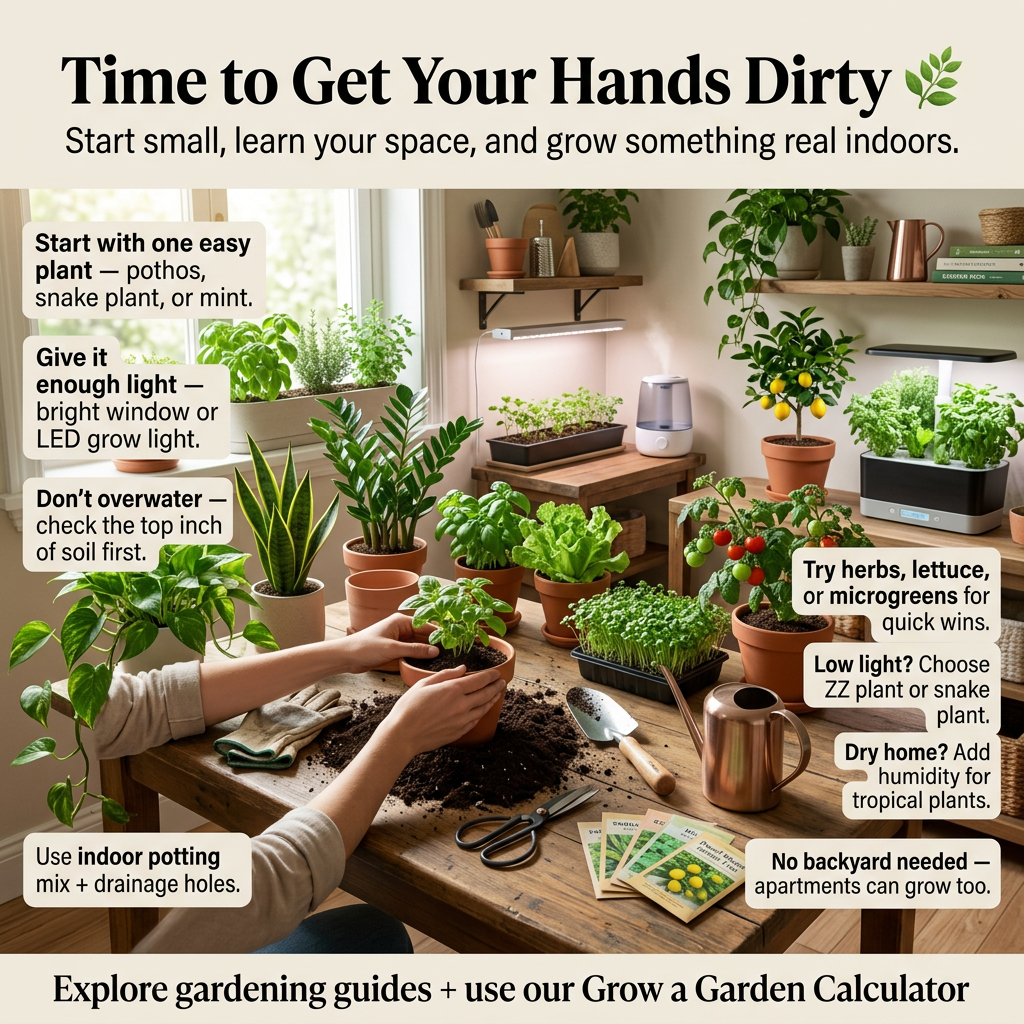
Start with one plant. Just one. Something easy, something forgiving. Give it light, don’t drown it, and pay attention to what it tells you. Plants communicate — droopy leaves, yellowing tips, leggy stems — they’re all signals once you learn to read them. Try our Gardening Calculator for building your dream garden.
You don’t need a green thumb. You just need a willingness to learn and the patience to let things grow — including yourself as a gardener. Grab a pot, grab some soil, and get started this weekend. Your future self (and your kitchen) will thank you.